Everything Photography, All in One Place!
Some people do photography as a hobby, others do it as an expression of self; an art or a different way of seeing the world. Whether you’re just getting started, or you’re looking to elevate your skills, this site exists to help you understand photography by providing clear explanation and resources.
Get your Free Photography Cheat Sheet and F Stop Chart sent straight to your email!
What are F Stops?
If you’re new to photography, you’ve probably heard the term f-stop or f-number. While it can seem confusing at first, understanding f-stops is one of the most important steps toward taking better photos.
An f-stop describes the size of your camera lens’s aperture—the opening that allows light to pass through the lens and reach the camera’s sensor. The lower the f-number (such as f/1.8), the larger the aperture opening, allowing more light into the camera. Higher f-numbers (such as f/11 or f/16) create a smaller opening, allowing less light to enter.
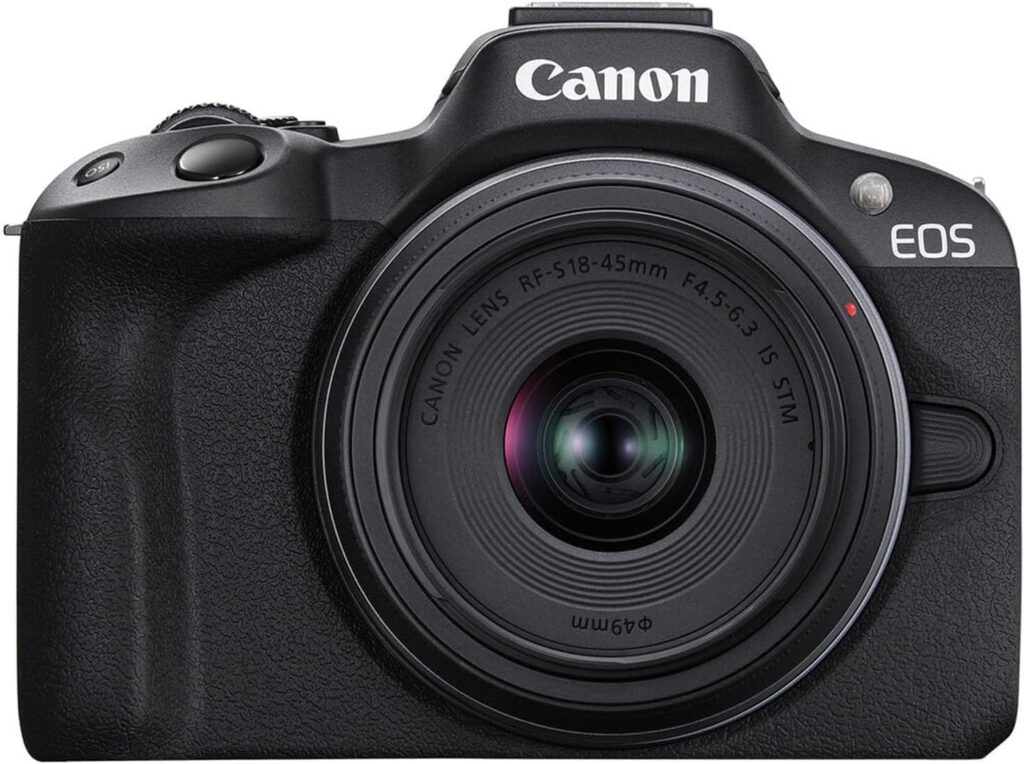
Different lenses offer different maximum apertures. For example, the Canon EOS R50 kit lens has a variable maximum aperture of f/4.5-6.3, meaning the widest available aperture becomes smaller as you zoom in.
Besides controlling the amount of light entering the camera, your chosen f-stop also affects depth of field. Lower f-numbers create a blurrier background that’s ideal for portraits, while higher f-numbers keep more of the scene in focus, making them popular for landscapes.
How to use F stops?
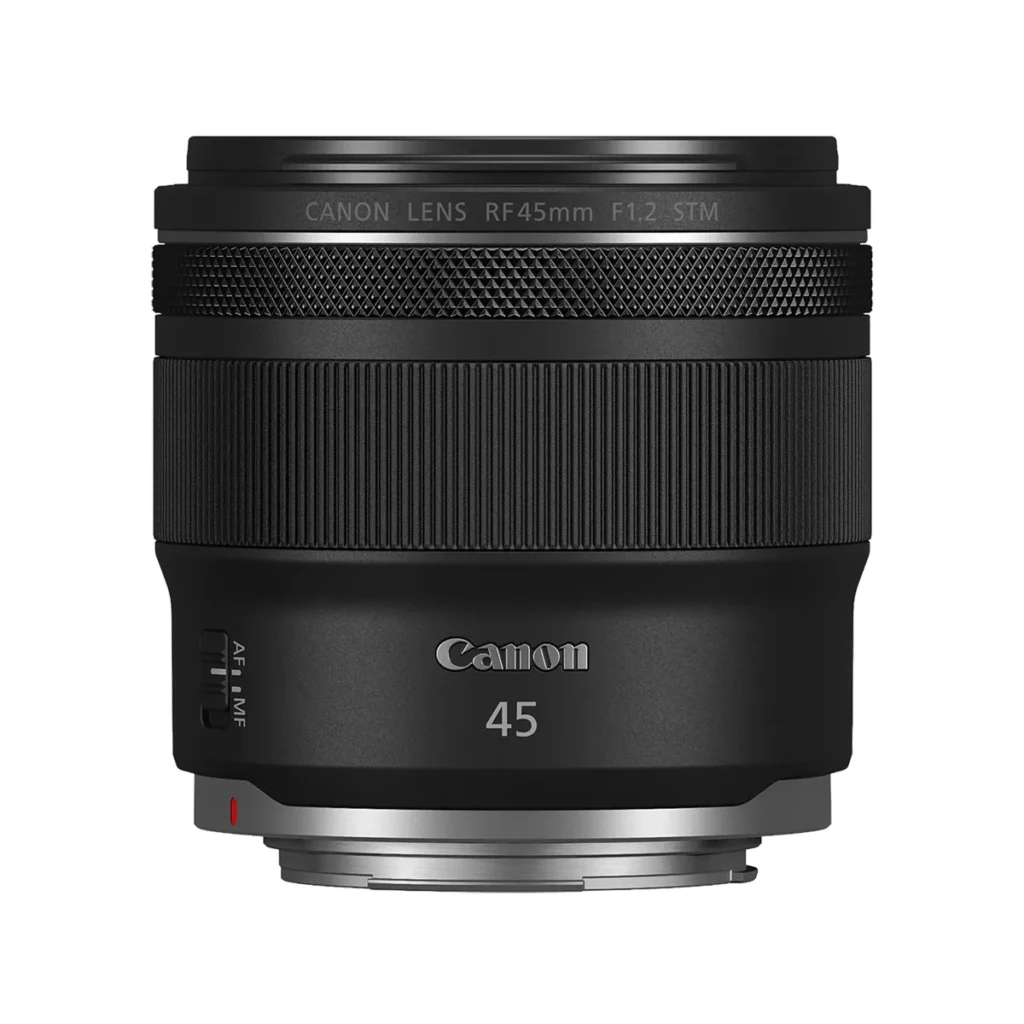
It’s important to note that some lenses are non variable or do not zoom, these are known as prime lenses. Prime lenses can be desirable because they generally produce a better image quality than variable. One common way to use F stops is to focus on your subject while creating a blur or wash with the background. Lenses with a lower F stop number such as a 2.8 or less make this easier to achieve.
Another way to use F stops is to prevent overexposure, or too much light creating a white washed out appearance. Since we know that a higher F number has a smaller opening, this would be the better option of lens to choose on a very bright sunny day. Contrary, a smaller F number such as a F1.8 would be best suited for a gloomy day or during dusk/sunrise, because it allows more light in. *It is important to note that changing your F stop can only be done in Aperture Priority (Av) or Manual modes (M).