Some people do photography as a hobby, others do it as an expression of self; an art or a different way of seeing the world. Whether you’re just getting started, or you’re looking to elevate your skills, this site exists to help you understand photography by providing clear explanation and resources.
Get your Free Photography Cheat Sheet and F Stop Chart sent straight to your email!
Understanding F Stops
What are F Stops?
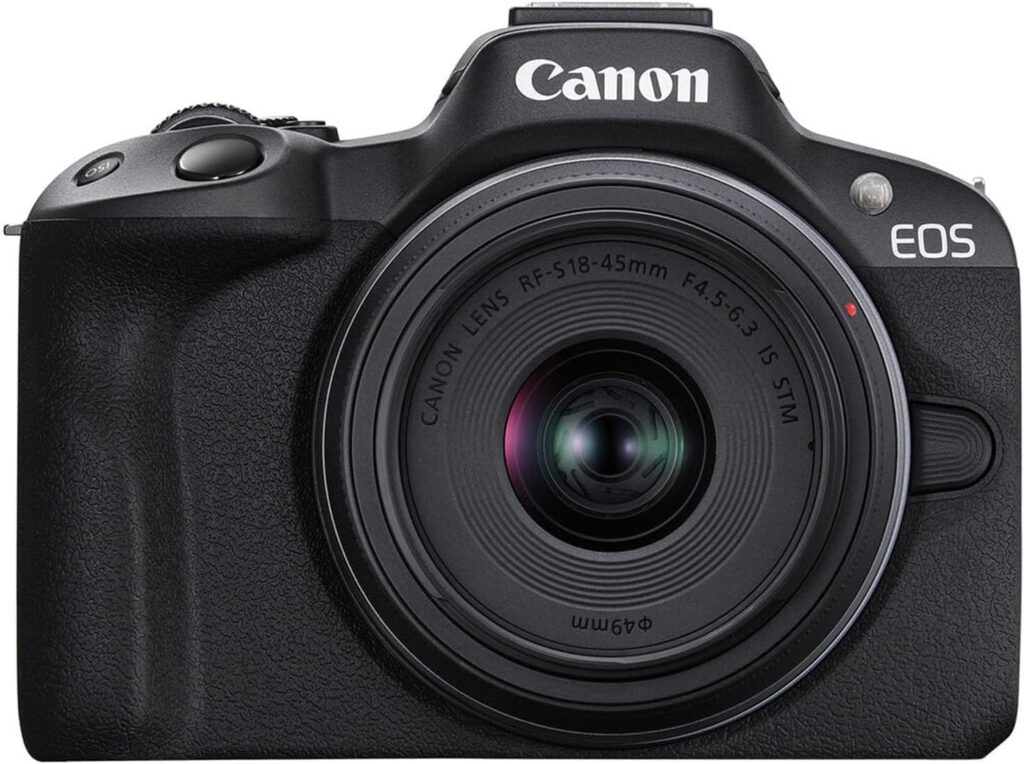
If you're new to photography, you've probably heard of the term "F Stops". But what exactly are they and how do you use them? First off, the F in F stop stands for "Focal Length" which in a technical understanding measures the distance of the nodal point of the lens and sensor. F stops are measured in millimeters. Different lenses come in different F stops. Some are variable or have a range such as the kit lens (the basic lens that often comes with your model) on the Canon EOS R50 (shown below), which allows you to zoom. The kit lens of this model has a F range of 4.5-6.3.
To understand F stops you must first understand that F stops are based off aperture, which is the size of the opening through which light passes through to reach the senor. The lower the F number, the more light enters the camera. Adversely, the higher the F number, the less light enters the camera.
How to use F stops?
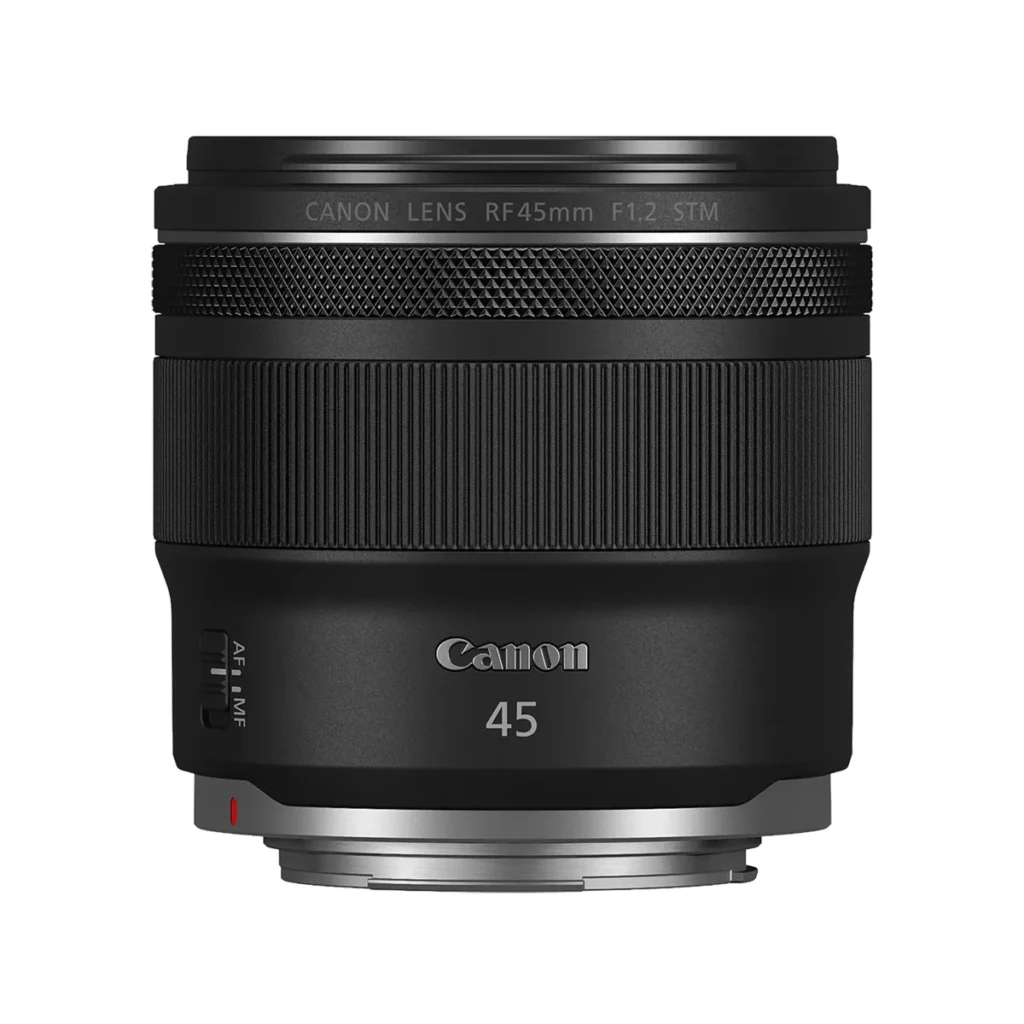
It's important to note that some lenses are non variable or do not zoom, these are known as prime lenses. Prime lenses can be desirable because they generally produce a better image quality than variable. One common way to use F stops is to focus on your subject while creating a blur or wash with the background. Lenses with a lower F stop number such as a 2.8 or less make this easier to achieve.
Another way to use F stops is to prevent overexposure, or too much light creating a white washed out appearance. Since we know that a higher F number has a smaller opening, this would be the better option of lens to choose on a very bright sunny day. Contrary, a smaller F number such as a F1.8 would be best suited for a gloomy day or during dusk/sunrise, because it allows more light in. *It is important to note that changing your F stop can only be done in Aperture Priority (Av) or Manual modes (M).
My Blog
Explore a collection of personal stories, reflections, and ideas crafted to engage and motivate you.
-
Understanding Aperture
Aperture: The Camera’s Eyelid That Judges You Let’s talk about aperture. Aperture is one of…
-
Understanding Bokeh
Bokeh is one of the most sought-after effects in photography. It refers to the smooth,…
-
Why My Photos Suck?
You ever notice how beginners in photography act like there’s this magical rulebook you have…


Sharing insights and stories with warmth and authenticity, making every post a meaningful read.

Ella Witherling
Creative Writer